


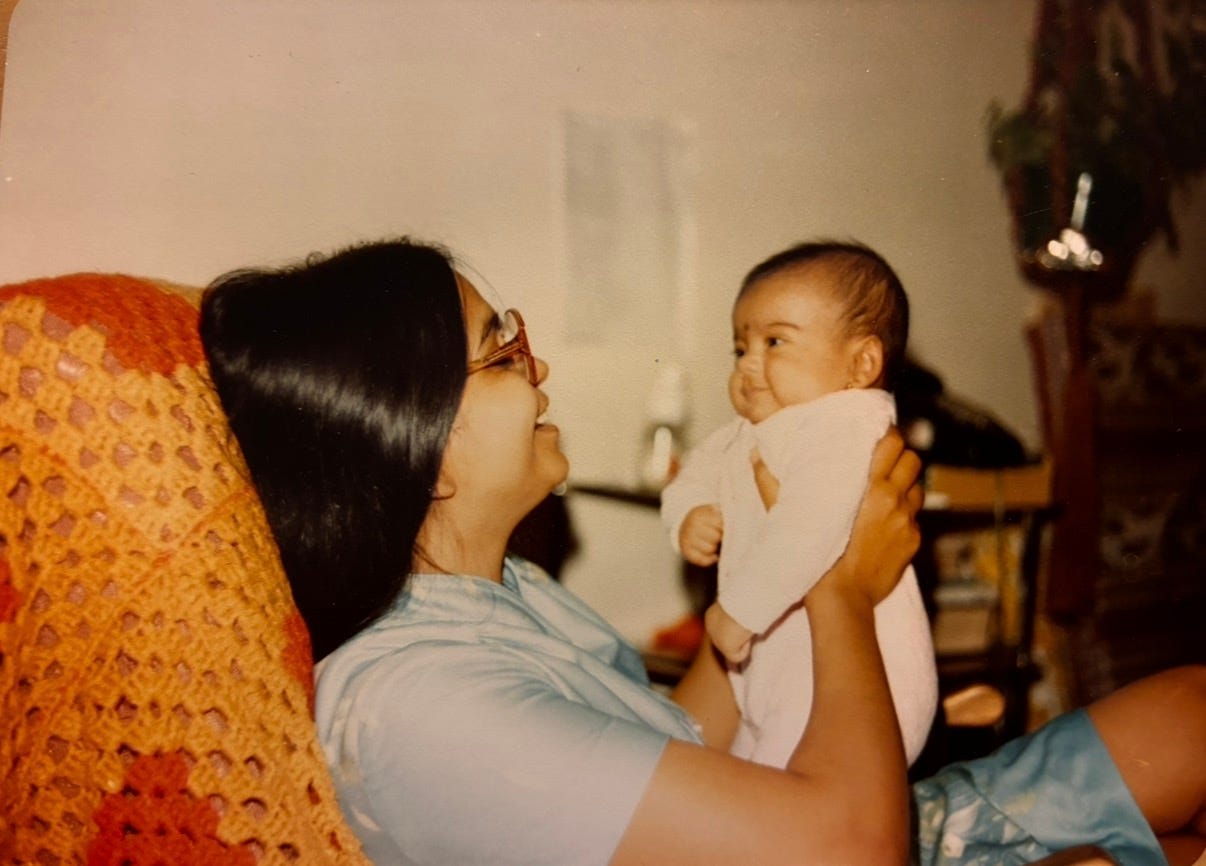
Before 2026 even began, I was plotting my escape: a summer writing retreat in Greece. Between meetings at work, I scrolled through lush images of the Mediterranean island, with its azure waters and white lime-coated buildings. I studied the headshots of the famous writers slated to teach, and the relaxed faces of past attendees. As a working parent, the idea was pure fantasy, as unlikely as the plot of KPop Demon Hunters. But some part of me wouldn’t let it go.
My application was filled with earnest, billowy paragraphs about my goals as a writer. It felt good to express these intentions, which I harbored beneath more pressing needs. When I received the acceptance email in the last days of 2025, a tug-of-war began between my excitement and my anxiety. Looking at flights, I realized that the remote island had no airport. If anything happened at home, it would take me two days to get back to New York City. As I calculated the costs, I felt foolish for even entertaining such a luxury.
“What was I thinking?” I sighed on the phone with my mother. “The truth is, I don’t need to go all the way to Greece to write. I just need some time and space.”
She let me rant and moan for five minutes before making a suggestion. What if we traded places? She could come help my husband with the kids and I could “retreat” to her apartment in the New Jersey suburbs. I could stay for a full weekend or even longer. The location wasn’t glamorous, but the deal was free and it came with childcare. I accepted, and we started putting dates in the calendar.
We kicked off the first “retreat” in the second week of January. At first, it felt strange to be in my mother’s space alone. In the decades since my parents’ divorce, she had become a yoga instructor, Reiki master, and a spiritual guide in her community. In 2021, she spent nine months in silence and meditation in that very apartment. The experience was supposed to take place in an ashram in the foothills of the Himalayas, where she had already completed several shorter periods of silence. But pandemic-era restrictions forced her to pivot.
A spiritual quest in India was romantic, but nine months sequestered in her apartment seemed unhinged. At the time, I was surprised and a little hurt by her plan, which seemed radical even for my mother. Why this voluntary isolation after we’d already been through a year of lockdown? Like a child, I wondered if I’d been too needy.
Five years later, I was in her space seeking a retreat of my own. I wasn’t there because I loved my family any less. Like the voices of the gurus who communed with my mother in meditation, my need to write was an abstract calling, urgent and palpable. Sacrificing sleep and sometimes sanity, I wrote in the margins of my day, often late at night, or early in the morning before my family woke. On the subway and during my lunch break, I edited drafts on my phone. This was certainly not the way I imagined “great works of literature” were created. Yet I was proud of every hard-won page.
A few years ago, I spoke with a friend from graduate school, a poet from Brooklyn. Before we had kids, we used to meet downtown to talk about what we were reading and writing.
“What are you working on these days?” I asked, hoping to talk shop.
“Nothing, really,” she admitted. “Since I became a mother, it’s like the fire went out.”
She said this plainly, explaining that her desire to create was fulfilled through parenting and teaching.
I was quiet, embarrassed to admit that becoming a mother had only strengthened my flame. Too exhausted to invent fictional worlds, I’d started crafting personal essays after my second child. Each piece was an affirmation of my existence, my own roughly drawn cave painting.
Though she was not an artist in the traditional sense, my mother understood my drive. Her empty apartment was the gift I didn’t know I needed.
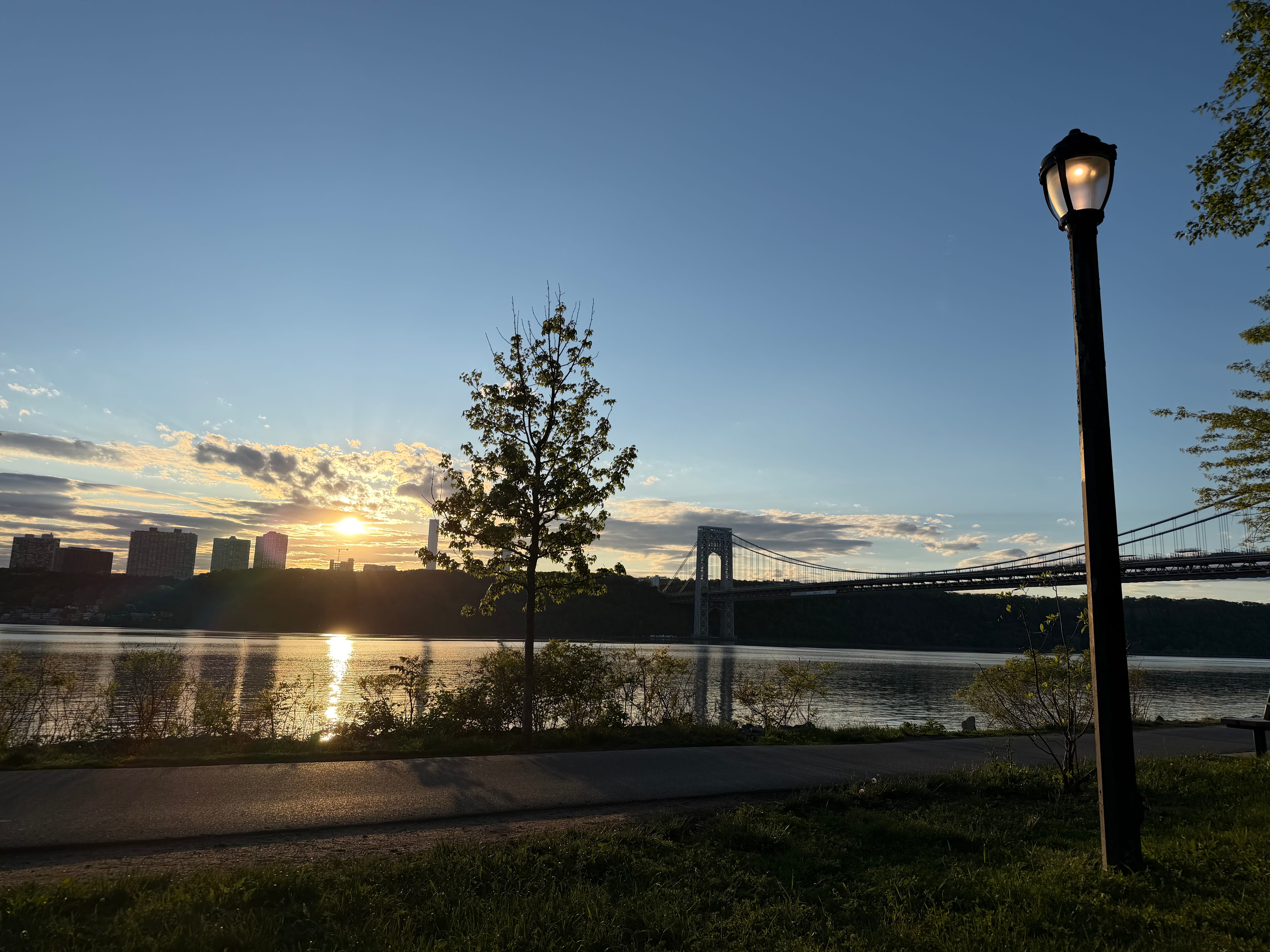
For two days, I didn’t have to set my alarm, hustle to take a child to a scheduled activity, do laundry, cook, or clean. I woke up when my body was ready, made a cup of French press coffee, and sat at her small dining room table to write. I ate chili lime tortilla chips for lunch and went to my sister’s place for dinner. It felt good to be fed, to be a guest instead of a caregiver.
Throughout the weekend, my mother texted me pictures of the kids happy in her care. My ten-year-old son eating his third serving of her channa curry and roti. My six-year-old daughter showing off a puzzle she put together herself. These images helped assuage my guilt over this weekend away.
When I paced around her living room to stretch my legs, I wondered how many laps my mother had clocked during her time in silence. I wondered if she ever felt the urge to crack open the front door, just to make sure the outside world was still there.
On breaks, I drove around in my mother’s Prius. As I passed strip malls and big box stores, I remembered how determined I was to get out of the suburbs as a kid. In many ways, the life I’d managed to build in New York City more than fulfilled my teenage fantasy of adulthood. Yet there I was, back in New Jersey in my mid-forties, trying to reclaim some lost part of myself. The angsty, Fiona-Apple-loving girl who wanted to be a writer. I’d always thought my mother didn’t understand her. But I was wrong.
One day, I would make it to Greece. I would wear white linen pants and pen a masterpiece by the sea. Until then, I had the will to keep writing and a mother who loved me enough to leave me alone.

Sumitra Mattai is a writer, storyteller and textile designer based in New York City. She holds a BFA in Textile Design from the Rhode Island School of Design and an MFA in Creative Writing from The New School. Her essays have been shared in Huffington Post, Scary Mommy and Open Secrets Magazine, among others. For more information, visit her website, www.sumitramattai.com, find her on Instagram @sumitramattai, or check out her newsletter, Clothbound, about textiles in art, design and everyday life.
